Exploring the Cost Benefits of Electropolishing Stainless Steel
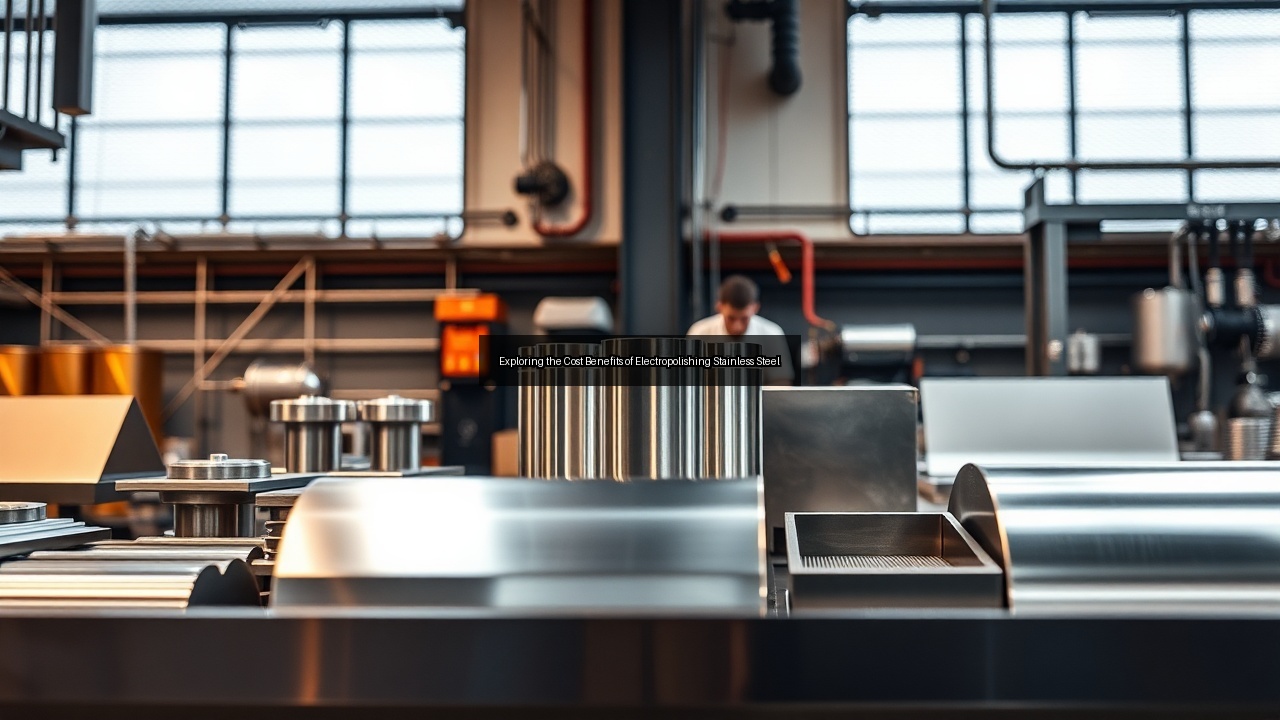
Understanding Electropolishing and Its Benefits
What is Electropolishing?
Electropolishing, often referred to as electro-polishing, is an electrochemical process that smooths and brightens stainless steel surfaces. This technique removes a thin layer of material from the workpiece, enhancing the surface finish and improving the overall aesthetic. Stainless steels, particularly grades like 316L, are commonly subjected to this treatment due to their widespread use in various industries. Unlike traditional polishing methods that rely on mechanical abrasion, electropolishing utilizes an electrolytic solution to dissolve microscopic peaks and valleys on the metal surface, resulting in a uniformly smooth finish.
How Electropolishing Works
The electropolishing process begins with the preparation of the stainless steel product, which typically involves cleaning to eliminate contaminants. The stainless steel part is then submerged in an electrolytic bath containing a suitable acidic solution, such as a mixture of phosphoric and sulfuric acids. When an electrical current is applied, metal ions from the surface dissolve into the solution, effectively leveling the surface irregularities. This process not only enhances the appearance but also improves the corrosion resistance of the stainless steel. The removal of surface imperfections allows for a smoother finish, which reduces the likelihood of corrosion sites forming on the steel surface.
Benefits of Electropolishing Stainless Steel
Electropolishing stainless steel offers numerous benefits that extend beyond mere aesthetics. One of the most significant advantages is enhanced corrosion resistance. By eliminating surface imperfections, electropolished stainless steels exhibit better resistance to oxidation and rust, which is crucial in harsh environments. Additionally, the smoother surface finish makes cleaning easier, reducing the risk of bacterial growth in industries like food processing and healthcare. Electropolishing also improves the durability of stainless steel products, prolonging their lifespan. The process can even enhance the metal's ability to withstand extreme temperatures, making it an ideal choice for applications requiring robust performance. Overall, the benefits of electropolishing lead to greater efficiency and cost savings in the long run.
Applications of Electropolished Stainless Steel
Electropolishing in the Semiconductor Industry
The semiconductor industry heavily relies on electropolished stainless steel due to its stringent cleanliness and surface finish requirements. Electropolished surfaces minimize particle adhesion, which is critical during the manufacturing of semiconductor wafers. Any contaminants on the surface can compromise the integrity of silicon-based devices. Manufacturers prefer electropolished components for tools and equipment used in this field to ensure high levels of purity and performance. The enhanced corrosion resistance of electropolished stainless steel also plays a vital role, as it prevents chemical reactions that could lead to equipment failure, thus ensuring the reliability of semiconductor production processes.
Role in Medical Equipment Manufacturing
In the medical field, electropolished stainless steel serves as a cornerstone for manufacturing medical equipment and devices. The enhanced corrosion resistance and smoother surfaces are paramount for maintaining hygiene and preventing infections in surgical instruments and implants. Electropolishing reduces the risk of bacteria adhering to surfaces, making it a preferred method for sterilizable items. Additionally, medical manufacturers often use electropolished stainless steels to produce components such as surgical tools, diagnostic instruments, and implants. The combination of durability and ease of cleaning makes electropolished stainless steel an ideal choice for critical applications where patient safety is a priority.
Uses in Food and Beverage Processing
The food and beverage industry mandates strict hygiene standards, making electropolished stainless steel a popular choice for processing equipment. The smooth surface finish of electropolished stainless steels minimizes the likelihood of food particles or microorganisms adhering to surfaces, facilitating easier cleaning and sanitation. Equipment such as mixers, tanks, and piping systems benefit from this treatment, as it ensures compliance with food safety regulations. Moreover, the corrosion resistance of electropolished surfaces protects against contamination, enhancing the overall quality of the food and beverages processed. This combination of sanitary benefits and durability positions electropolished stainless steel as a vital asset in food processing applications.
Cost Analysis of Electropolishing Stainless Steel
Initial Investment vs Long-Term Savings
Investing in electropolishing stainless steel may seem significant initially, but the long-term savings often outweigh the upfront costs. Electropolishing services improve the lifespan and durability of stainless steel products, reducing the frequency of replacements. Additionally, the enhanced corrosion resistance leads to lower maintenance costs, as components require less frequent cleaning and servicing. In industries where downtime can result in substantial losses, the reliability provided by electropolished stainless steels translates into cost efficiency. By evaluating the total cost of ownership, businesses can recognize that choosing electropolishing services results in a more economical solution over time.
Comparative Costs of Electropolishing vs Traditional Polishing
When comparing the costs of electropolishing to traditional polishing methods, several factors come into play. Traditional polishing often incurs expenses related to labor, equipment, and material waste due to abrasive processes. In contrast, electropolishing typically involves a more streamlined and automated process, which can reduce labor costs. While electropolishing may have a higher initial service fee, its ability to achieve a superior surface finish and extend the lifespan of stainless steel products results in greater value. Companies that prioritize quality and performance often find that investing in electropolishing stainless steel services proves to be a wise financial decision.
Factors Influencing Electropolishing Costs
Several factors influence the overall costs of electropolishing services. The complexity and size of the stainless steel products play a critical role in determining the pricing. Larger or intricately shaped items may require more time and specialized equipment, leading to higher costs. Additionally, the specific grade of stainless steel, such as 316L, can impact the expense, as different alloys may require varied treatment processes. The quantity of items being processed can also affect pricing; bulk orders often qualify for discounts. Lastly, the choice of manufacturer significantly influences cost, with more experienced providers typically charging a premium for their expertise and quality assurance.
Choosing the Right Electropolishing Services
Key Considerations for Selecting a Manufacturer
Choosing the right electropolishing services electro polishing is crucial for achieving desired results. Start by evaluating the manufacturer's experience and expertise in handling stainless steel products. Quality assurance and certifications, such as ISO standards, indicate a manufacturer's commitment to excellence. Additionally, assess their equipment and technology capabilities, as advanced machinery can significantly enhance the quality of the electropolished finish. Finally, consider the manufacturer’s customer service and support, as effective communication and responsiveness can simplify the entire process, ensuring that your specific needs are met.
Evaluating Surface Finish Quality
Surface finish quality is a key indicator of successful electropolishing. When assessing potential manufacturers, request samples or case studies of their previous work that showcase the quality of their electropolished stainless steels. Look for surfaces that exhibit a consistent, smooth finish without visible scratches or imperfections. Manufacturers should provide precise specifications regarding the surface roughness achieved through their electropolishing process, allowing clients to compare and determine if it meets their requirements. The quality of the surface finish directly correlates with the performance, durability, and corrosion resistance of the final product.
Importance of Corrosion Resistance in Electropolished Stainless Steel
Corrosion resistance stands as one of the primary benefits of electropolishing stainless steel. For applications in harsh environments, such as those found in chemical processing or marine industries, the ability of electropolished surfaces to resist oxidation and degradation is vital. When selecting electropolishing services, ensure that the manufacturer emphasizes corrosion resistance in their finishing process. This focus not only enhances the longevity of the stainless steel products but also ensures compliance with regulatory standards in industries like food and pharmaceuticals, where safety and reliability are paramount. Prioritizing corrosion resistance leads to better performance and cost-effectiveness in the long term.