The Role of Thermosets in Creating Lightweight Automotive Components
Understanding Thermosets and Their Advantages in Automotive Applications
What Are Thermosets?
Thermosets are a class of polymers that undergo a chemical change when cured or set, resulting in a rigid structure that cannot be remolded or reheated. Unlike thermoplastics, which can be melted and shaped multiple times, thermosets retain their shape and mechanical integrity under heat and stress. This property makes thermosets ideal for automotive applications, where durability and heat resistance are crucial. Common thermoset materials include epoxy resins, phenolic resins, and polyurethanes, each chosen for specific applications based on their unique properties. The ability to withstand high temperatures and harsh chemicals makes thermosets a preferred choice for various automotive components, from structural parts to intricate interior elements.
Properties of Thermoset Materials
Thermoset materials possess several advantageous properties that make them suitable for automotive manufacturing. First, their excellent thermal stability ensures that they maintain performance even in extreme conditions. This is particularly important in automotive environments where components are exposed to heat from engines or friction. Second, thermosets exhibit high mechanical strength and rigidity, providing structural integrity while keeping weight to a minimum. Additionally, they have superior chemical resistance, which protects automotive parts from fuel, oil, and other corrosive substances. These properties not only enhance performance but also extend the lifespan of components, reducing maintenance costs and increasing vehicle reliability.
Comparison with Thermoplastics
When comparing thermosets with thermoplastics, several key differences emerge. Thermoplastics can be repeatedly melted and reshaped, allowing for flexibility in design and manufacturing. However, they often lack the heat resistance and structural stability of thermosets. For instance, while acrylonitrile butadiene styrene (ABS) and polypropylene are popular thermoplastics used in various automotive applications, they cannot withstand as high temperatures as thermosets. Moreover, thermoplastic injection molding allows for rapid production but may not offer the same level of durability and longevity as thermoset counterparts. Ultimately, the choice between thermosets and thermoplastics depends on the specific requirements of each automotive component, balancing factors such as weight, strength, and manufacturing process.
Injection Molding Process for Thermosets: A Deep Dive
Overview of the Injection Molding Process
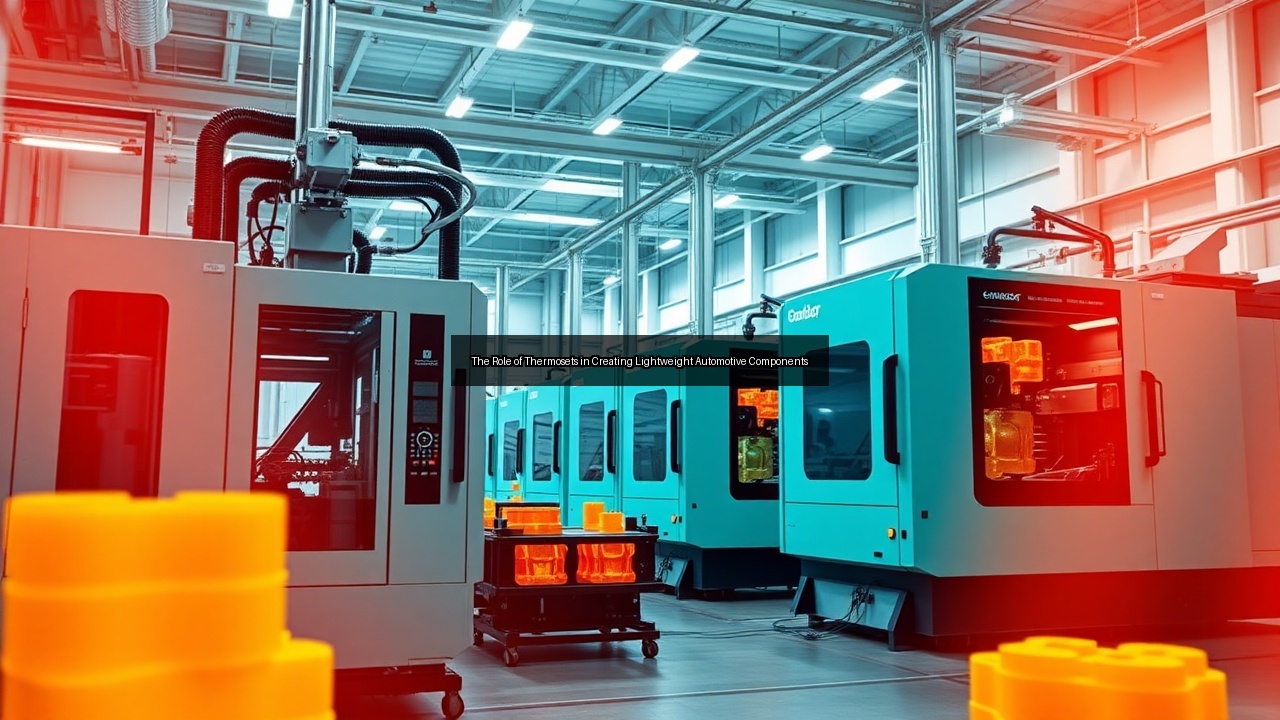
The injection molding process for thermosets involves heating the material until it reaches a molten state, followed by injecting it into a mold. This method allows for the precise shaping of components, ensuring high-quality parts with minimal waste. During the injection process, the thermoset resin undergoes a chemical reaction, solidifying into a rigid form as it cools. This process is particularly advantageous for manufacturing complex shapes and intricate designs that would be difficult to achieve with traditional machining methods. Injection molding thermosets enables high-volume production while maintaining consistency and precision across all parts, making it a popular choice in the automotive industry.
Materials Used in Injection Molding Thermosets
Several thermoset materials are suitable for the injection molding process, each selected for its unique properties. Epoxy resins are frequently used due to their excellent adhesion and mechanical strength, making them ideal for critical automotive components. Polyurethanes offer versatility and can be formulated to achieve varying degrees of hardness, which is beneficial for applications ranging from flexible seals to rigid structural parts. Phenolic resins provide superior heat resistance and are often used in applications where fire resistance is paramount. The choice of material influences the performance characteristics of the final product, so manufacturers carefully consider the specific requirements of each automotive application when selecting thermoset materials for injection molding.
Efficiency and Cost-Effectiveness of Injection Molding
Injection molding of thermosets presents a highly efficient and cost-effective manufacturing solution for automotive components. The process minimizes material waste, as excess material can often be recycled within the system. High-speed production capabilities allow manufacturers to produce large quantities of parts in a shorter time frame, reducing labor costs and increasing throughput. Additionally, the precision of injection molding ensures that components fit together seamlessly, which is crucial for automotive assembly. While the initial setup costs for molds can be high, the long-term benefits of reduced production costs and enhanced part performance often outweigh these initial expenses. Overall, injection molding thermosets streamlines production, making it a preferred choice for automotive manufacturers.
The Impact of Lightweight Components on Automotive Performance
Benefits of Lightweight Automotive Design
Lightweight automotive design significantly enhances vehicle performance across several metrics. Reducing the weight of a vehicle leads to improved fuel efficiency, as less energy is required to propel a lighter vehicle. This not only lowers fuel consumption but also reduces emissions, contributing to a more sustainable automotive environment. Additionally, lightweight components improve handling and acceleration, allowing for a more responsive driving experience. Manufacturers increasingly turn to thermosets to achieve these weight reductions without compromising structural integrity. By integrating thermoset materials into their designs, automotive engineers can create vehicles that are not only lighter but also safer and more efficient.
Common Thermoset Applications in Automotive Components
Thermosets find applications in various automotive components due to their unique properties and benefits. For example, they are commonly used in the production of structural parts such as chassis and body panels, where strength and rigidity are paramount. Interior components like dashboards, door panels, and consoles often utilize thermoset plastics for their aesthetic appeal and durability. Additionally, thermosets are used in electrical components and connectors, where heat resistance and insulation properties are crucial. The versatility of thermosets allows manufacturers to explore innovative designs while ensuring that their components meet stringent performance standards.
Case Studies: Successful Implementation of Thermosets
Numerous automotive manufacturers have successfully implemented thermoset materials in their production processes, yielding impressive results. For instance, a leading automotive company introduced thermoset composites in their sports car models, achieving significant weight reductions while enhancing performance and safety. Another manufacturer utilized thermoset injection molding to produce lightweight structural components, which led to a decrease in overall vehicle weight and improved fuel efficiency. These case studies highlight the potential of thermosets to revolutionize automotive design, enabling manufacturers to balance performance, safety, and sustainability in their vehicles.
Future Trends and Sustainability in Thermoset Automotive Components
Advancements in Thermoset Technologies
Thermoset technologies continue to evolve, driven by the demand for lighter, stronger, and more sustainable automotive solutions. New formulations and processing techniques are emerging, enhancing the performance characteristics of thermosets. Innovations such as nano-enhanced thermosets and bio-based resins are gaining traction, providing even greater strength-to-weight ratios and eco-friendly options for manufacturers. These advancements not only improve the mechanical properties of thermosets but also pave the way for their broader adoption in the automotive sector, aligning with the industry's goals for sustainability and performance.
Recyclability and Environmental Considerations
Recyclability remains a significant concern in the automotive industry, particularly as sustainability becomes a priority. While traditional thermosets have limited recyclability due to their irreversible curing process, advancements in thermoset technologies are addressing this challenge. New formulations allow for thermosets that can be depolymerized and recycled, reducing the environmental impact of automotive manufacturing. Manufacturers are increasingly exploring these sustainable options, ensuring that their production processes align with environmental regulations. By prioritizing recyclability, the automotive industry can minimize waste and contribute to a circular economy.
Regulatory Standards: ISO 13485 and Beyond
Compliance with regulatory standards, such as ISO 13485, plays a crucial role in the manufacturing of automotive components. This standard focuses on quality management systems in the production of medical devices but has implications for automotive manufacturing as well. Adhering to these regulations ensures that manufacturers maintain high-quality processes and products, which is vital for safety and reliability in automotive applications. As the industry shifts towards more sustainable practices, compliance with evolving regulations and standards will become increasingly important. Manufacturers must stay informed and adapt to these changes to remain competitive and responsible.