Why Every Welder Should Consider Ceramic Backing for Efficiency
Understanding Ceramic Backing in Welding
What is Ceramic Backing?
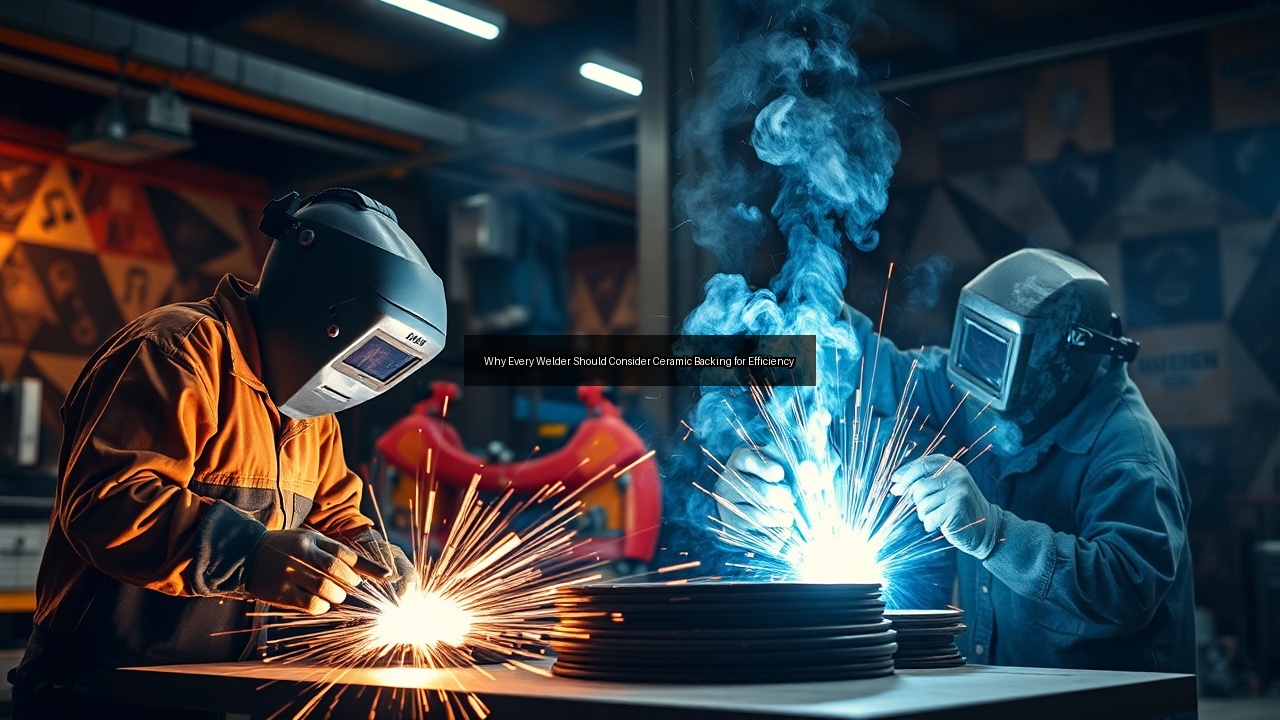
Ceramic backing refers to materials made from ceramics that are applied to the backside of a weld joint during the welding process. These specialized backing materials provide crucial support and protection for welds, particularly in high-temperature applications. By creating a barrier against molten metal and thermal energy, ceramic backing enhances the overall quality of the weld. Whether in TIG welding, MIG, or GMAW applications, ceramic backing plays a vital role in ensuring weld integrity and performance. This innovative solution allows welders to achieve cleaner, stronger welds with reduced defects and rework.
The Role of Ceramic Materials in Welding
Ceramic materials offer unique properties that make them ideal for use in welding applications. They possess high thermal resistance, which minimizes heat transfer to the base metal. This characteristic is essential for maintaining the integrity of the material being welded. Additionally, ceramics are chemically inert, meaning they do not react with molten metals. This property prevents contamination and ensures the purity of the weld pool. In summary, ceramic backing materials contribute to improved weld quality by providing excellent thermal insulation and preventing unwanted reactions during the welding process.
Comparison with Other Backing Materials
When evaluating backing materials for welding, it’s essential to compare ceramic backing with alternatives such as metallic or composite materials. Metallic backings, while durable, can conduct heat away from the weld area, potentially leading to warping or distortion of the base metal. Composite materials offer some advantages, but they may not withstand extreme temperatures as effectively as ceramics. Ceramic backing stands out due to its ability to provide superior thermal insulation and contamination prevention, making it the preferred choice for professional welders looking to enhance their welding efficiency and outcomes.
Benefits of Using Ceramic Backing for Welds
Enhancing Weld Quality and Integrity
Utilizing ceramic backing significantly improves the quality and integrity of welds. The thermal insulation provided by ceramic materials ensures that weld pools maintain optimal temperatures, which helps achieve a more uniform and consistent weld. This consistency leads to better penetration, reduced porosity, and a lower risk of defects. Moreover, the inert nature of ceramics prevents contamination from oxides or other impurities, ensuring that the weld remains strong and durable. For welders working with demanding materials, such as aluminum or stainless steel, ceramic backing becomes an invaluable tool in producing high-quality welds that meet industry standards.
Improving Efficiency in Welding Processes
Efficiency in welding processes greatly benefits from the incorporation of ceramic backing. By reducing the need for multiple passes and reworking, welders can complete projects more quickly and with less material waste. The enhanced weld quality achieved with ceramic backing minimizes the likelihood of defects that can slow down production and lead to costly repairs. Additionally, for automated welding processes, the use of ceramic materials streamlines operations, allowing for faster cycle times without compromising quality. Ultimately, the efficiency gained through ceramic backing translates into higher productivity and reduced operational costs for businesses.
Protection Against Heat and Contamination
Ceramic backing serves as a protective barrier against intense heat and contamination during the welding process. The high thermal resistance of ceramics prevents excessive heat from affecting the surrounding base material, thereby reducing the risk of warping or distortion. This is particularly important in applications where precision is critical, such as in the marine or aerospace industries. Furthermore, the inert nature of ceramic materials safeguards the weld pool from chemical reactions that could compromise weld integrity. By preventing contamination, ceramic backing ensures the weld remains robust and reliable, leading to longer-lasting joints and components.
Applications of Ceramic Backing in Various Welding Techniques
Ceramic Backing in TIG Welding
TIG welding, known for its precision and versatility, greatly benefits from the use of ceramic backing. This technique requires a clean and controlled environment to produce high-quality welds. Ceramic backing helps maintain the necessary conditions by insulating the weld area from external heat fluctuations and preventing oxidation. Additionally, the ability of ceramics to withstand high temperatures allows welders to focus on delivering impeccable welds without worrying about backing material degradation. By utilizing ceramic backing, welders can achieve superior results, particularly when working with thin materials or intricate designs.
Utilizing Ceramic Backing in MIG and GMAW
MIG and GMAW processes rely on a steady feed of filler material and consistent heat application. Ceramic backing enhances these processes by providing a stable, insulated surface for the weld pool. The reduced heat loss ensures that the weld remains molten for longer, allowing for better penetration and fusion of the base materials. Moreover, ceramic backing minimizes spatter and contamination, leading to cleaner welds and less post-weld cleanup. This efficiency is especially beneficial in high-volume production environments where speed and quality are paramount. The integration of ceramic materials in MIG and GMAW applications optimizes performance and delivers consistent results.
Impact on Plasma Cutting and Laser Welding
Ceramic backing also plays a critical role in plasma cutting and laser welding applications. In plasma cutting, the high-energy arc requires effective backing materials to absorb excess heat and protect the underlying material. Ceramic backing provides the necessary thermal insulation, allowing for clean cuts with minimal distortion. In laser welding, the precision and focused heat require a stable backing to maintain the integrity of the weld. Ceramic materials excel in this environment, ensuring that the focus remains on the weld area while minimizing heat transfer to adjacent surfaces. Overall, the use of ceramic backing enhances the capabilities of plasma cutting and laser welding processes, leading to superior results.
Choosing the Right Ceramic Backing Materials
Factors to Consider: Thickness, Geometry, and Adhesive
When selecting ceramic backing materials, several factors come into play. Thickness is a critical consideration; too thin may compromise insulation, while too thick can hinder the welding process. The geometry of the backing material also affects its performance. A design that conforms to the weld joint ensures optimal contact and heat distribution. Adhesive properties are equally important, as the backing must remain securely in place throughout the welding process. Choosing the right combination of these factors ensures that welders achieve the desired results, enhancing both weld quality and efficiency in their projects.
Top Brands like Gullco International and Voestalpine
Reputable brands like Gullco International and Voestalpine offer high-quality ceramic backing materials that cater to various welding applications. Gullco, known for its innovative solutions in welding automation, provides ceramic backings that enhance productivity and weld integrity. Voestalpine specializes in advanced material solutions, including ceramic options designed for demanding industrial environments. Choosing products from these trusted brands ensures that welders receive reliable and effective materials, contributing to superior welding outcomes and overall project success.
Innovations in Ceramic Backing Technologies
The field of ceramic backing technologies continues to evolve, with innovations enhancing performance and usability. New formulations of ceramics are being developed to improve thermal resistance and reduce weight, making them easier to handle and apply. Advances in adhesive technologies allow for stronger bonding and easier removal after welding, minimizing cleanup time. Additionally, the integration of automation in applying ceramic backings streamlines the process, improving efficiency in high-volume production settings. Staying abreast of these innovations allows welders to leverage the latest advancements in ceramic materials, ensuring optimal performance and results in their welding projects.